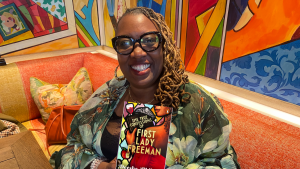
Colouring Afro hair can carry unique risk. For best results, we spoke to an award-winning expert who shared five important things to consider when it comes to colouring Afro hair.
As a form of self-expression, colouring Afro hair is up there for many people. Either to mute out any unwanted grey strands or a way to embrace a bold new colour style, a new hair colour makes a powerful statement. However, due to the delicate nature of Afro hair, so many things can go wrong if you try to colour it yourself, especially if you don’t really know what you are doing.
Whether you’re considering subtle highlights or a dramatic colour transformation, colouring Afro hair requires more than simply choosing the right shade. Your hair’s curl pattern, texture and porosity mean that preparation, technique and aftercare are especially important for achieving even, long-lasting results while maintaining healthy coils.
“colouring Afro hair requires more than simply choosing the right shade”
With all of this to consider if you are thinking of colouring your Afro hair, it’s important you speak to an expert. They don’t come more expert than colourist at Headmasters Dulwich and winner of the 2026 UK L’Oreal Colour Trophy Afro Award, Danielle Louis.
Days after winning the Afro Award at the L’Oréal Colour Trophy Grand Final, the 70th year of the competition, Danielle spoke exclusively to us to share some of the most important things to know about colouring Afro hair.
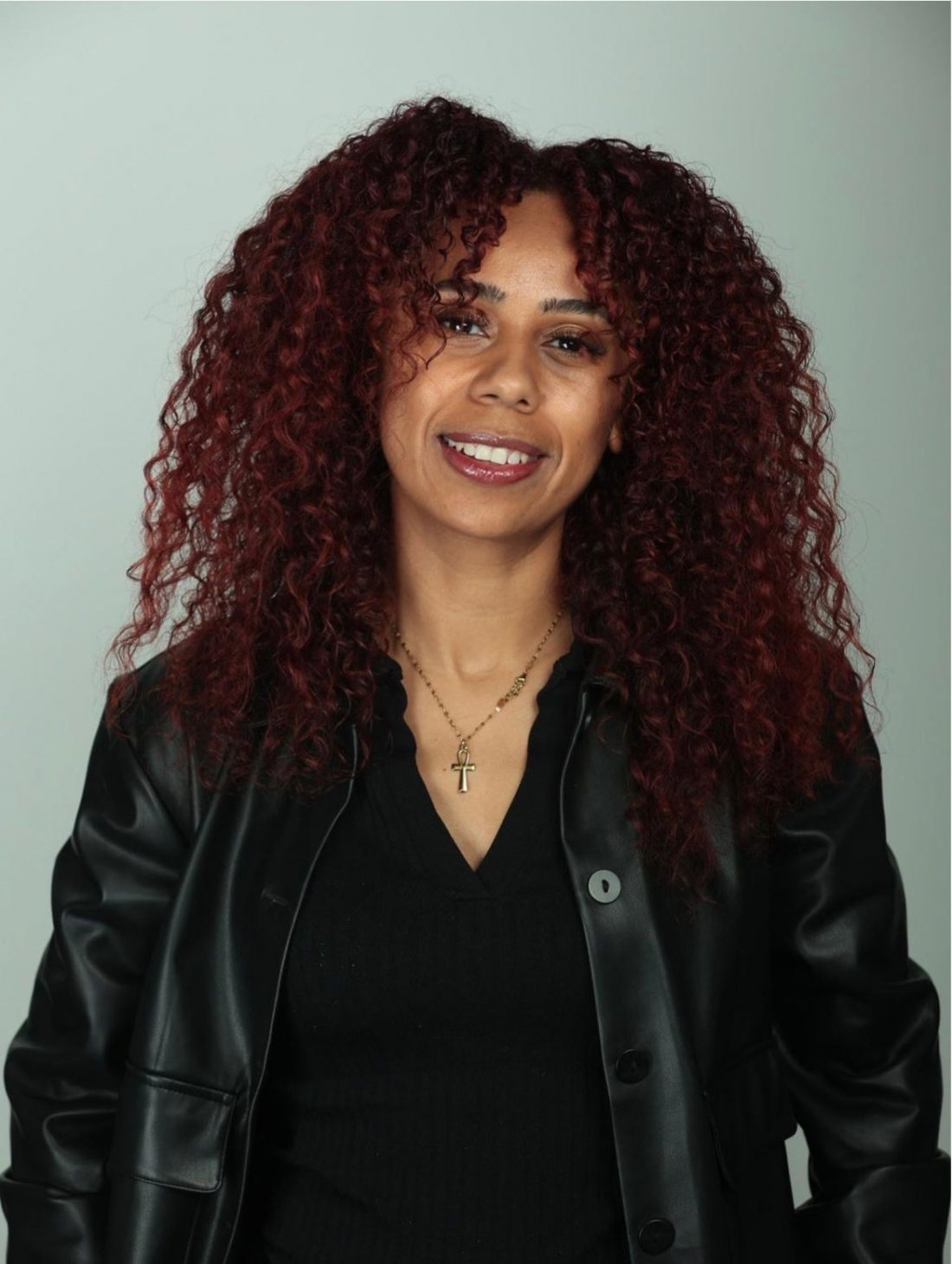
Read on for Danielle’s top five tips for anyone thinking about colouring Afro hair.
1. Health is wealth; the same goes for your hair
The foundation of every successful colour service is healthy hair. Afro hair is naturally more fragile because its curl pattern makes it harder for natural oils to travel from the scalp down the hair shaft.
The colouring process itself follows the same colour science, but the approach is different. Afro hair often requires a more personalised plan because of its texture, porosity and moisture needs. It’s never just about achieving the colour. Rather, it’s about maintaining healthy hair throughout the process.
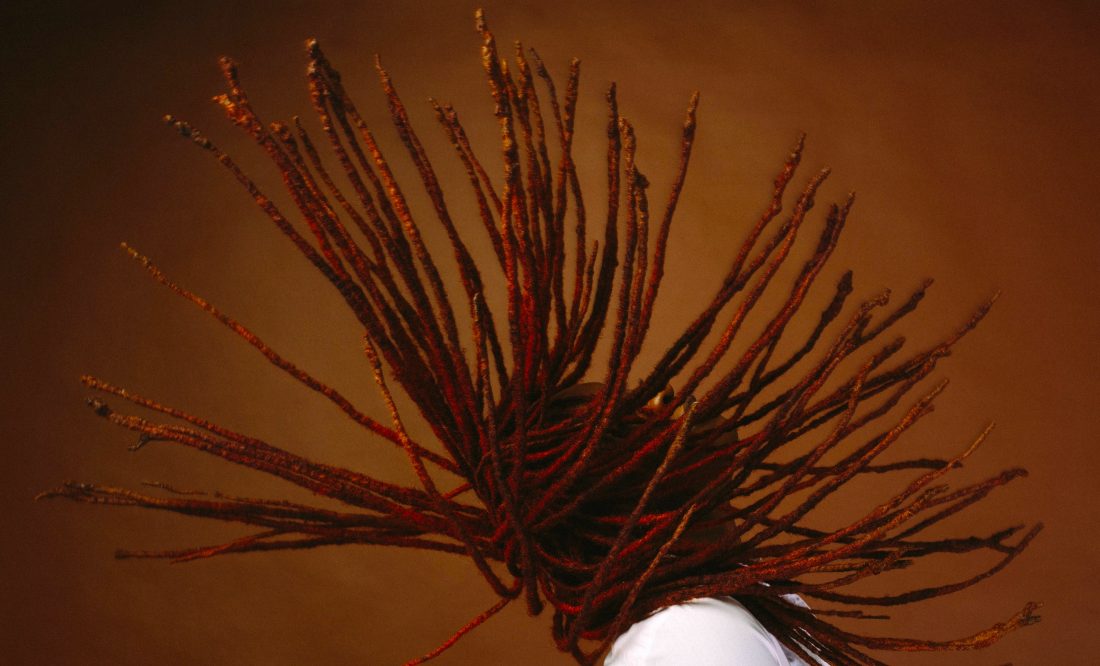
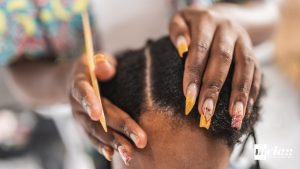
Image credit: Melan Magazine
Before any colour service, I recommend assessing your hair’s condition, porosity and previous colour history. Hair that is in good condition will always achieve a better, more even result and retain colour more effectively. Often, strengthening and moisturising it before colouring will produce a better result than rushing straight into the colour appointment.
Charlotte Mensah’s debut book ‘Good Hair’ is the Afro & curly hair bible
The L’Oréal Professionnel iNOA range is a strong option for colouring curls in salon as it has an oil-delivery system, leaving the hair feeling nourished and conditioned. I also recommend Dia Light, which is formulated with hyaluronic acid to help replenish the hair with hydration, keeping curls in great condition.
2. Do your research before reaching for a box dye
Many people underestimate how strong home colour kits can be, particularly when trying to lighten their hair.
Applying colour unevenly, colouring over previous dye or attempting several processes in one day can all lead to dryness, breakage and patchy results.
If you decide to colour your hair at home, my advice would be to keep it simple. Avoid drastic colour changes and always carry out both a patch test and a strand test first. If you are unsure, seek professional advice before applying any colour.
3. When in doubt, see a professional
Significant colour changes are best handled by a professional.
If you’re planning to lighten your hair significantly, correct previous colour, cover stubborn colour bands or achieve shades such as blonde, copper or vivid colours, I would always recommend seeing a professional.
A colourist can tailor the service to your hair’s condition and minimise unnecessary damage while achieving the best possible result.
Always put the health of your hair first. Beautiful colour starts with healthy hair, and no shade is worth compromising the strength and integrity of your hair.
4. Preparation and aftercare matter just as much as the colour itself
Preparation begins well before the colour is applied.
I recommend keeping your hair well moisturised, using conditioning treatments regularly and considering strengthening pre-treatments that can help rebuild the hair before colouring.
Afterwards, colour-safe sulphate-free products, deep-conditioning masks and bond-building treatments can all help maintain strength, moisture and colour longevity. I am a strong advocate for bond-building technology, especially during lightening services. REDKEN Acidic Bonding line is a great option for this. Ingredients and treatments that help rebuild the hair’s internal structure can make the biggest difference.
10 simple tips to help you grow healthy Afro natural hair
Ingredients such as glycerin, natural oils and proteins can help support moisture and strength, but it’s important to remember that balance is key when using all these at once.
The goal is healthy, hydrated hair that will hold colour better and maintain its shine for longer.
5. Maintenance is key
Invest in professional-quality treatments that help maintain moisture and protect the hair.
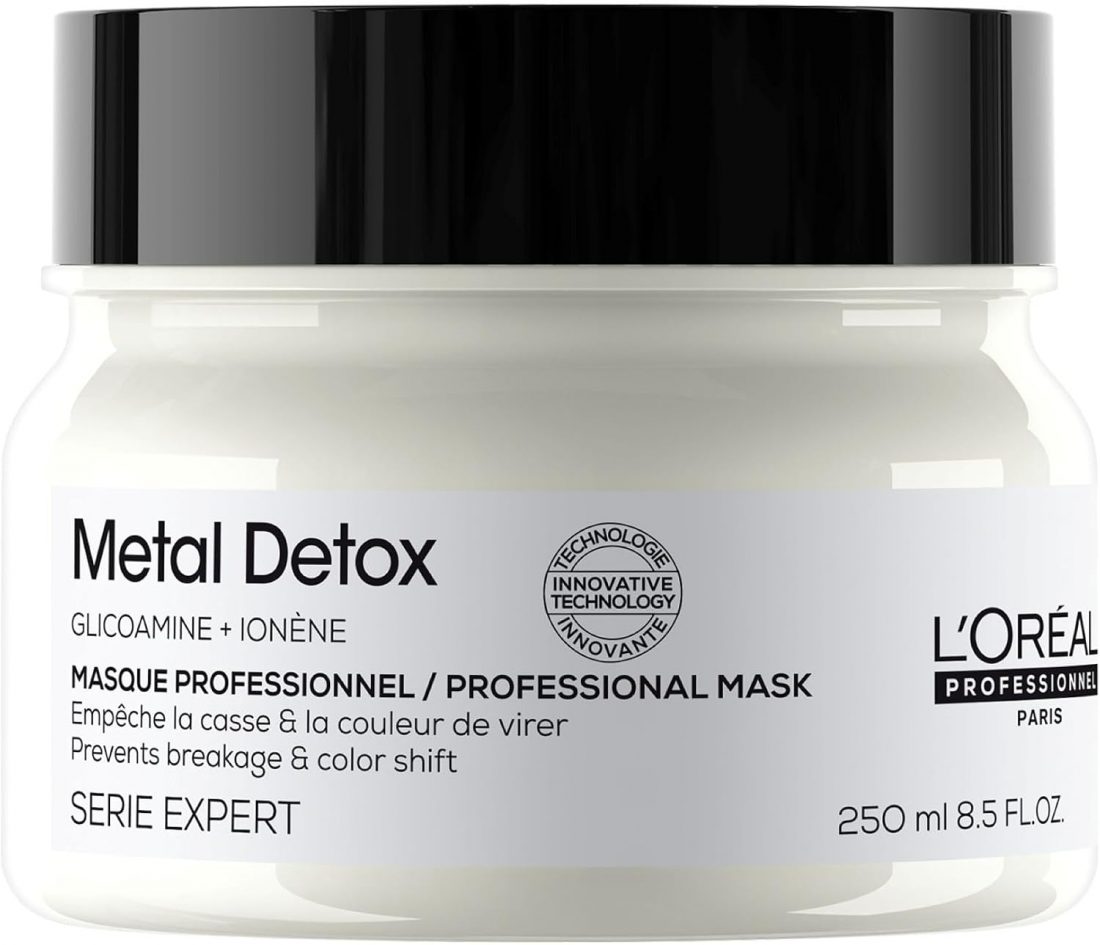
For ongoing maintenance, I love using the L’Oréal Professionnel Metal Detox Mask. It’s great for protecting your colour and keeps curls deeply nourished. It provides up to two weeks of hydration and 99% less breakage after just one use. I also love the Kérastase Nutritive 8H Magic Night Serum, used alongside a consistent moisturising routine. It works overnight to nourish and soften the hair, helping it feel healthier and more manageable by morning. I also recommend incorporating nourishing natural oils like jojoba oil and rosemary oil (when diluted with a carrier oil) into your scalp routine. Jojoba oil is very similar to the scalp’s natural sebum and helps lock in moisture without feeling heavy. I am also enjoying some of Kerestaste’s scalp serums at the moment.
Final word: Colour trends I am loving right now
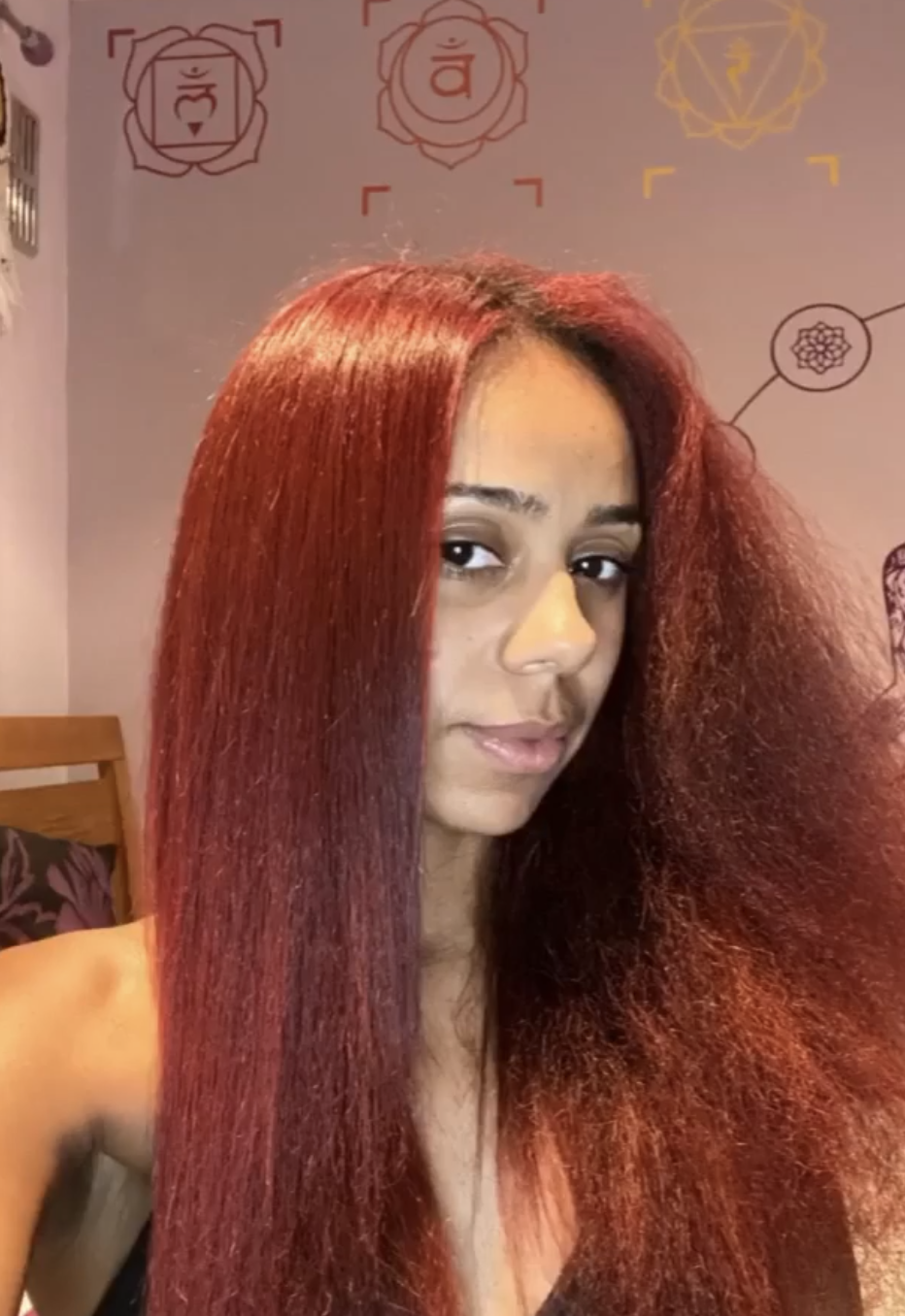
I’m currently loving rich, dimensional colours that enhance natural texture rather than disguise it. Warm brunettes, cinnamon coppers, caramel ribbons and honey blondes are all beautiful choices.
Freehand balayage, face-framing highlights and soft, lived-in colour techniques also offer beautiful, lower-maintenance options.
This article has affiliate links. If you buy through them, we may earn a small fee at no extra cost to you.