Black Minds Matter UK is a mental health charity that champions safe and accessible mental health support with and for the Black community.
Black Minds Matter UK (BMMUK) doesn’t provide urgent mental health support; they are not a crisis service. Instead, they exist to support a vision where Black individuals and families can recover fully from mental illness and thrive.
So, what does it look like when Black individuals, families, communities are readily able to access mental health support, education and conversation? Through a Black lens that is sympathetic and understanding?
We interviewed Danielle Bridge, Black Minds Matter UK CEO, to tell us about their vision, the important work they are doing, what more needs to be done and how you can support their work.
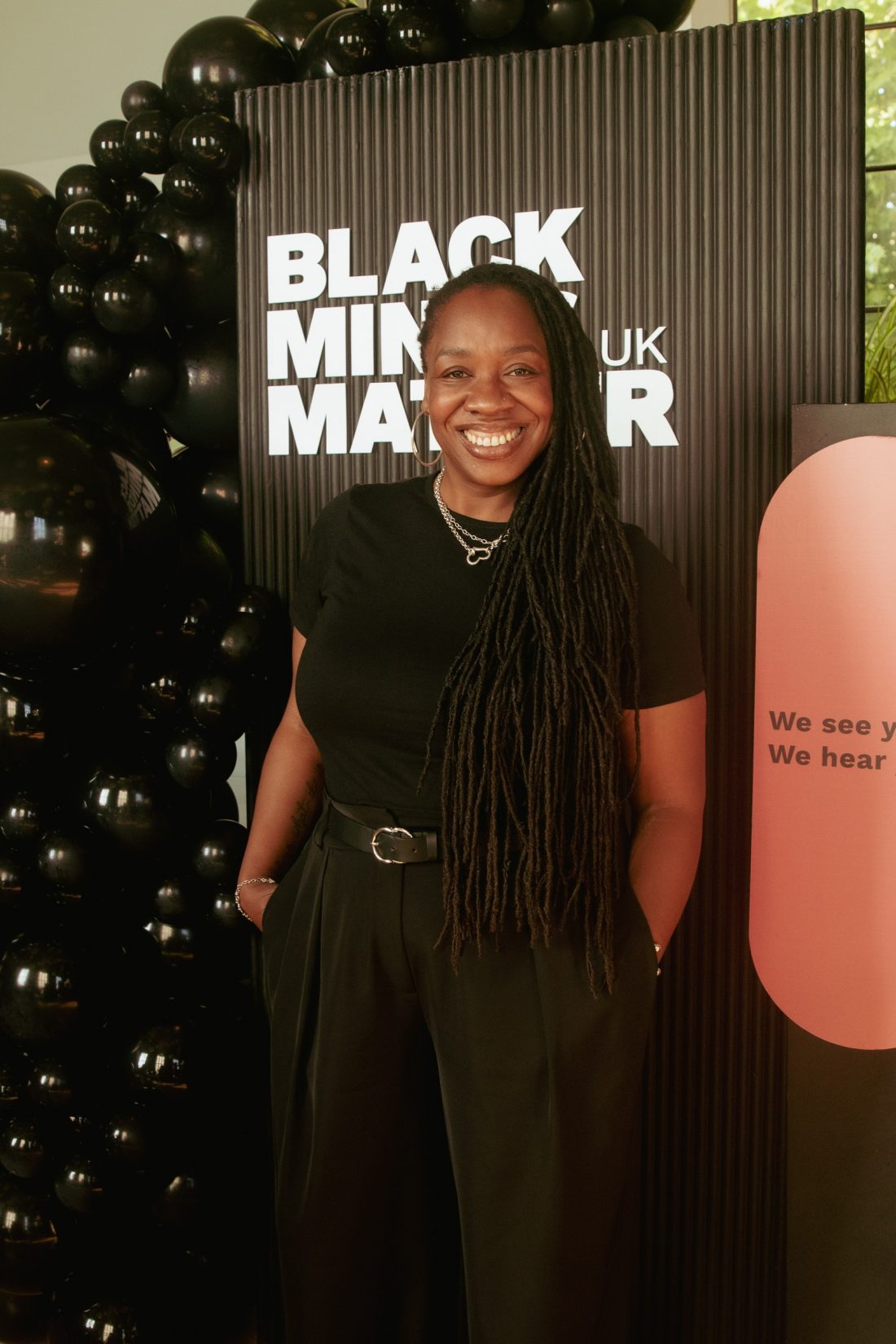
Image credit: Black Minds Matter UK
What is Black Minds Matter UK all about?
Black Minds Matter UK believes Black people should be able to access mental health support that is culturally informed, professionally delivered and safe. We have connected Black people with Black therapists, delivered awareness and education work, and advocated for a mental health system that better understands the realities of Black life in the UK.
We are not only a therapy provider. We are also part of a wider movement to reduce stigma, increase access, and challenge the inequalities that continue to shape Black people’s experiences of mental health care.
Isn’t it time we acknowledge the mental health toll of “living while Black”?
Why do Black people need dedicated therapy support?
Black people do not need “different” care because there is something different about our pain. Rather, we need dedicated support because too many Black people have had experiences of services where they have not felt understood, believed, respected or safe.
Recovery from mental health challenges requires an understanding of more than clinical expertise. It is also about context, trust and cultural understanding. For many Black people, therapy can involve discussing racism, family dynamics, identity, grief, trauma, faith, community pressure, work, and systems that have not always treated them fairly. If those realities are missed or minimised, people can leave support feeling worse, unheard or reluctant to seek help again.
Dedicated therapy support creates a space where Black people do not have to over-explain the basics of their lived experience before the real work can begin.
In your view, how prevalent is the need for Black Minds Matter UK?
The need is significant. We have seen that through our own referrals, the demand for culturally informed therapy, and the response we receive from individuals, families, community groups and organisations.
Since BMMUK launched, the charity has delivered thousands of therapy sessions and received thousands of referrals. At different points, demand has far exceeded what a small charity can safely and sustainably provide. That tells us this is not a niche issue. It is a clear indication that many Black people are still struggling to access support that feels appropriate, affordable and culturally safe.
The prevalence is also visible in the wider conversations we have with communities. People are not only asking for therapy. They are asking for language, tools, education, understanding, and somewhere they can speak honestly about their mental health without shame.
As a Black woman, this is why I would only use a Black therapist …
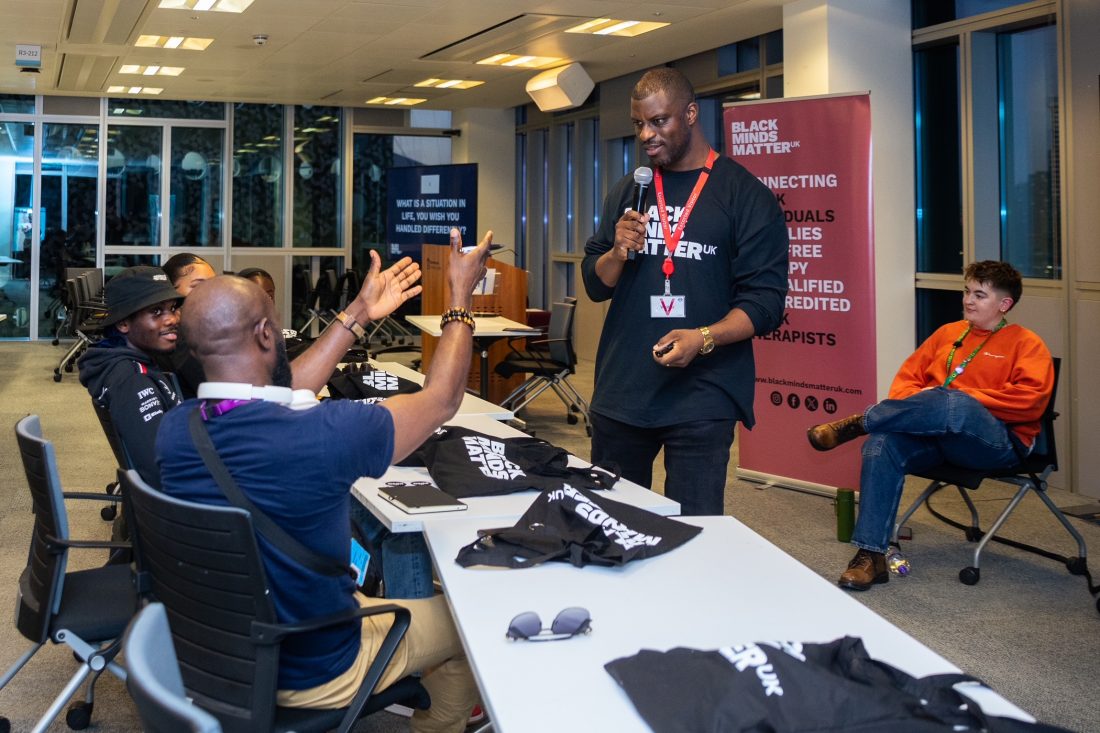
Image credit: Black Minds Matter UK
You ran a consultation recently. What were some of the broad themes that emerged from the data?
Our consultation gave people the opportunity to share their experiences, needs and views about BMMUK’s support.
Some broad themes emerged clearly. People continue to value access to culturally informed mental health support, particularly support delivered by Black therapists and professionals who understand the cultural context of their lives. There was also a strong theme around trust; people want services that are clear, honest and realistic about what they can offer.
Another theme was access. Affordability remains a real barrier for many people seeking therapy. People also told us that while one-to-one therapy is important, there is value in other forms of support too, including group spaces, psychoeducation and community-based conversations that help people understand their mental health earlier.
The consultation also reinforced that communication matters. When people are seeking mental health support, uncertainty can be difficult. Clear information, timely updates and transparent processes are essential.
How did your background expertise align with the knowledge and skills to become Black Minds Matter UK CEO?
It is important to be clear that the organisation was founded before I became Chief Executive.
What I brought into the role was nearly two decades of experience across the social sector, mental health, community work, training and organisational leadership. I have worked in spaces where people are navigating trauma, inequality, safeguarding, complex systems and limited resources. That background has shaped how I lead BMMUK.
My experience has helped me understand both sides of the work: the human need in the community and the operational reality of running a charity. It means I approach the work with care, but also with a strong focus on governance, safety, accountability, sustainability and honest communication.
For me, leadership in this space is more than passion. Passion matters, but it is not enough. The work requires clinical governance, safeguarding, financial responsibility, team support, partnership management and a clear understanding of the communities we serve.
“[Black people want] Black therapists and professionals who understand the cultural context of their lives.”
What support have you and your team had?
BMMUK has been supported by a wide network of people who believe in the need for culturally informed mental health support.
That includes Black therapists and mental health professionals, our staff team, trustees, funders, donors, community supporters, partners and people who have used their platforms to raise awareness of our work.
We have also had support from individuals and organisations who have contributed time, expertise, funding, advocacy and visibility. For a small charity, that ecosystem of support makes a huge difference to the sustainability of services. It is how we have been able to deliver therapy, build awareness and keep the conversation about Black mental health alive.
At the same time, we are honest that support has to be more than goodwill. Charities like ours need consistent, practical and financial support if the work is going to be safe, ethical and sustainable.
What are some of the biggest challenges you face?
One of the biggest challenges is the gap between need and resource. The demand for culturally informed mental health support is high, but delivering therapy safely requires funding, clinical governance, administration, safeguarding, therapist capacity and proper infrastructure.
Another challenge is that Black-led organisations are often expected to meet deep community needs with limited resources. There can be a lot of public support for the idea of the work, but not always enough long-term investment behind it.
We also face the challenge of doing emotionally complex work in a wider environment where mental health services are stretched, cost of living pressures are affecting people’s wellbeing, and many Black people still face barriers when seeking support.
The work is necessary, but far from simple. It requires honesty about what we can do, what we cannot do, and what needs to change structurally.
“I didn’t even realize I was depressed until someone pointed it out to me”
Image credit: Black Minds Matter UK
What do you say to anyone who would value the kind of support that your organisation provides?
I would say: you are not alone, and you are not wrong for wanting support that understands your context.
Many Black people have carried things for a long time because they have been taught to keep going, stay strong, pray through it, push it down or not talk about it outside the family. ‘Don’t talk people business’ is something that many of us have heard from our elders, but needing support does not mean you have failed or that you are gossiping about others, it means you are human.
I would also say that culturally appropriate support can make a real difference. Being able to speak openly, without feeling judged or misunderstood, can be the first step towards healing.
And finally, I would encourage people to stay connected with BMMUK, engage with our content, workshops and community conversations, and seek support where they can. We will always be honest about what we can offer, and we remain committed to improving access to safe, culturally informed mental health support for Black people in the UK.