Three Black women authors open up about navigating UK publishing, overcoming barriers to visibility, and why aspiring writers shouldn’t wait for permission to tell their stories.
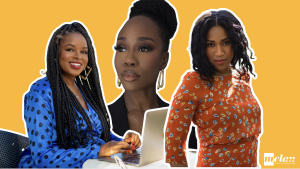
With Black authors accounting for just 3% of UK bestselling books, writers Davina Hamilton, Tola Doll Fisher, and Brenda Gabriel – three Black women authors – discuss claiming space in publishing, pushing back against censorship, and getting your story out into the world.
In addition to the challenges of getting a book published in the first place, Black women authors now need to contend with a growing hostility towards diversity in the UK such as book censorship. This was highlighted by best-selling “The Good Ally” author Nova Reid who has spoken out about the removal or restriction of books by Black women authors. This development highlights the importance of supporting Black women authors who are challenging the status quo to write stories across various book genres.
In this piece, three authors talk to us about the importance of Black Women writing stories, their journey to authorship and tips for others considering writing a book.
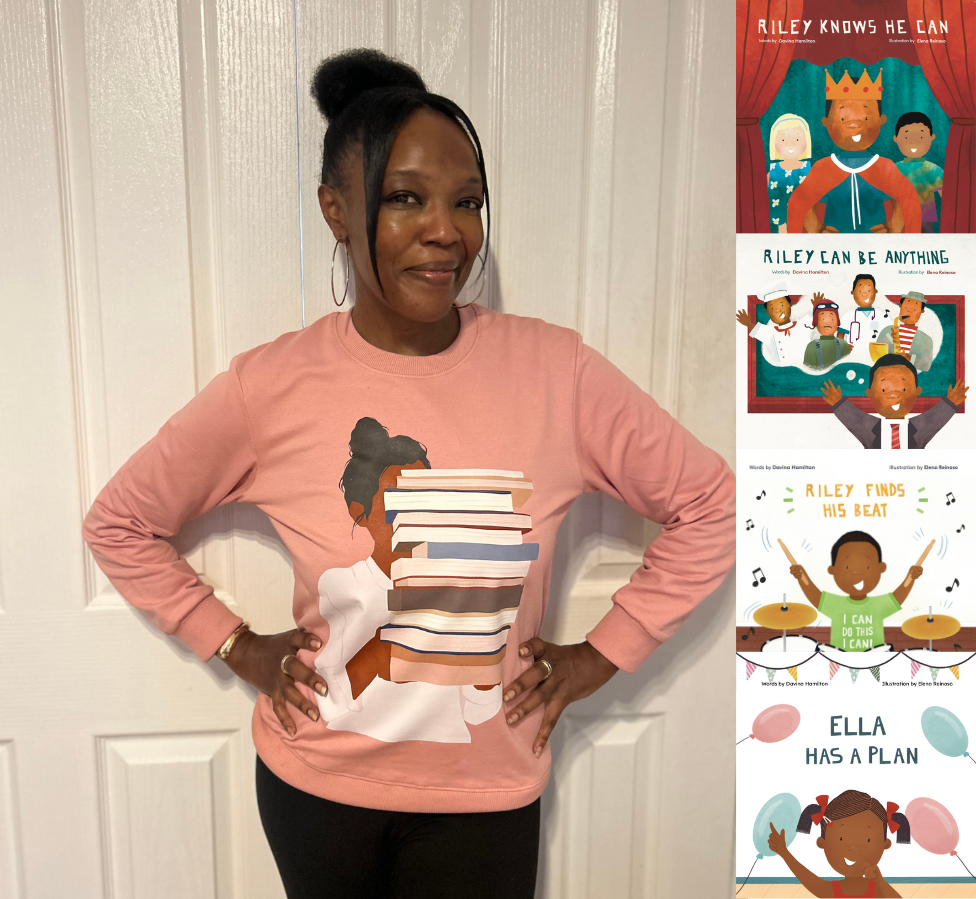
Davina Hamilton is a journalist having worked at The Voice newspaper for more than a decade. In 2017, she released her debut book Riley Can Be Anything, titled after her son. The book is primarily aimed at two to seven year olds and encourages young children to achieve their aspirations. Davina has since released a series of illustrated children’s books, with her latest being Just Fine – the perfect bonding book for children and parents.
Riley can be anything: A children’s book with an essential message
Sharing why she chose to go down the self-publishing route as an author, Davina says: “It became evident that getting signed to a traditional publisher was unlikely. As a rhyming author, it’s even harder because I think the publishing industry still sees rhyming stories as quite niche or risky.”
The titular characters of Davina’s books are named after her children Riley and Ella. Speaking about what drove her to become an author, she says: “What cemented it was becoming a mum. I read so many stories to my children when they were little, and that really spurred me on to write my own story for them.”
Ella Has A Plan was the most challenging for Davina: “It’s my longest story [and] writing a rhyming story is generally challenging”. But this same book also pulls from the journalist’s experience as a Black woman: “That story features several Black women and girls, and I was keen to use that as an opportunity to showcase a range of hairstyles. The fantastic illustrator, Elena Reinoso, really captured the beauty and versatility of Afro hair. Both Ella Has A Plan and Riley Finds His Beat feature a Black mother, who is keen to instil in her children a sense of confidence, determination and self-belief, even when it may seem like the odds are stacked against them.”
“We must continue to share our stories, if only to empower and give hope and inspiration to the generations to come.”
Touching on the rise in book censorship, Davina says: “The concerted efforts to censor books that showcase, in particular, Black joy, simply prove that there’s power in our joy – and some people don’t want to see or acknowledge that. But we must continue to share our stories, if only to empower and give hope and inspiration to the generations to come.”
Encouraging Black women who are considering writing a book, Hamilton says: “Do it! I’ve had the pleasure of speaking with author Dorothy Koomson, on a number of occasions. I asked her that same question, and she said, ‘Just write the story you want to write. Tell the story you want to tell. Stop worrying about what the market’s doing. Tell your truth.’ I think that’s sound advice.”
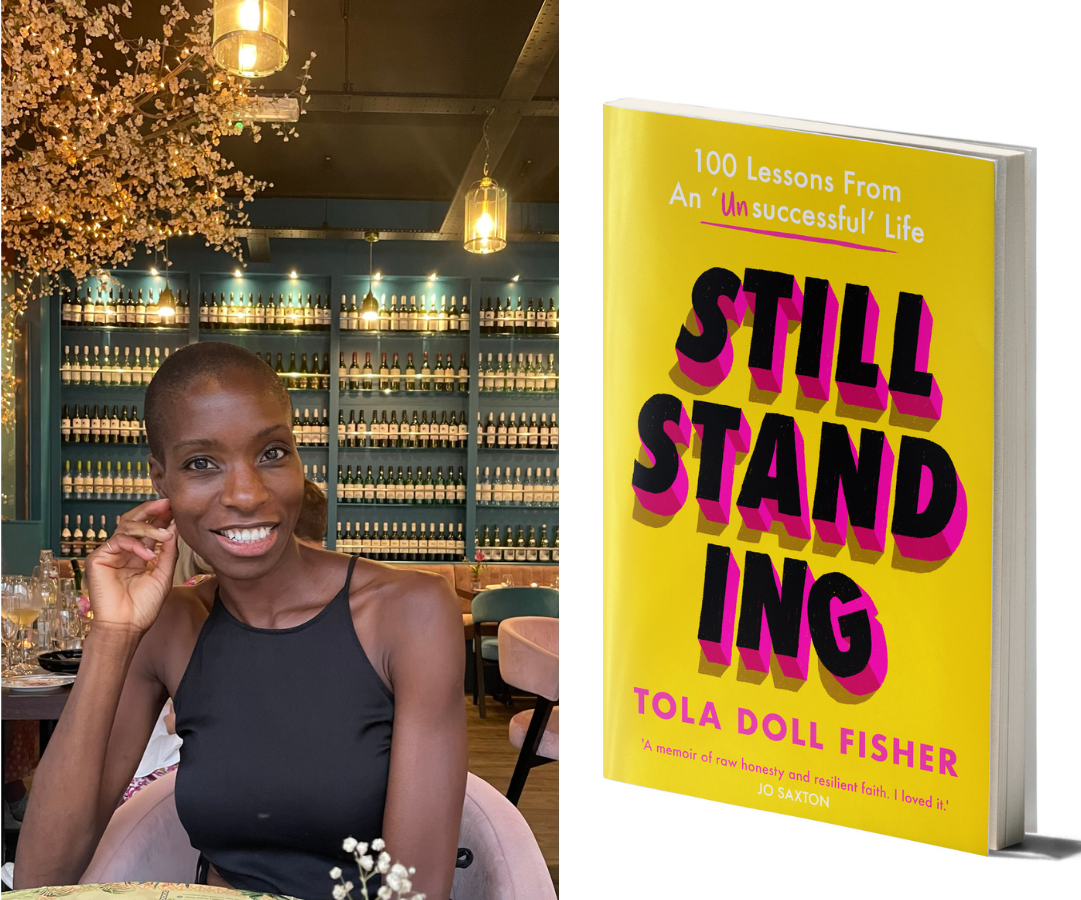
Tola Doll Fisher is a journalist, model and was the editor and creative director of Christian women’s magazine, Woman Alive for more than six years. In 2020 she released her book, Still Standing and she talked to us about how her faith helped her through the process.
Explaining why she chose to publish with an independent publisher, Tola said: “Traditionally published authors were often assumed to be more credible, or even better writers, simply because they had been selected by a publisher. and writers are told they need to have huge audiences ready before publishers would even consider them. That’s changed so much now.”
Inspired by her Nigerian mother to become an author, Tola says: “My mum taught me to read and write after a schoolteacher told her I had learning difficulties (I did not). Education is highly valued in my family, and I basically spent all my time reading and loved it! So, although my career started in Journalism, I probably always knew I wanted to write books because it was the first career I got close to.”
“We need books telling the life experiences of Black women – whatever that looks like.”
Sharing how Still Standing challenged her as an author, she said: “I talk about the hardships of my husband filing for divorce months after our daughter had died a few hours after birth, losing my home, being estranged from my family, difficulties at work, faith struggles and resilience. I really bared my heart in a vulnerable way, and it was super challenging to revisit the things that happened with each new draft. Once it was finished, I recorded the audio which was tough, but it was also healing because it took the emotions out from swirling around in my head and I was able to make sense of them, in a way.”
Sharing her thoughts on book censorship, she says: “Black women should be writing romance novels or crime series or whatever else they want to write. We also need books telling the life experiences of Black women – whatever that looks like. Those shared stories foster tolerance and encourage us to engage with each other in a healthy way.”
Tola advises anyone considering authorship to go for it. She said: “Write daily and share snippets of your writing on platforms like Substack to grow an audience for your work and hone your style and topics. It’s exposing but necessary. And keep reading, especially books in the fields you are writing in.”
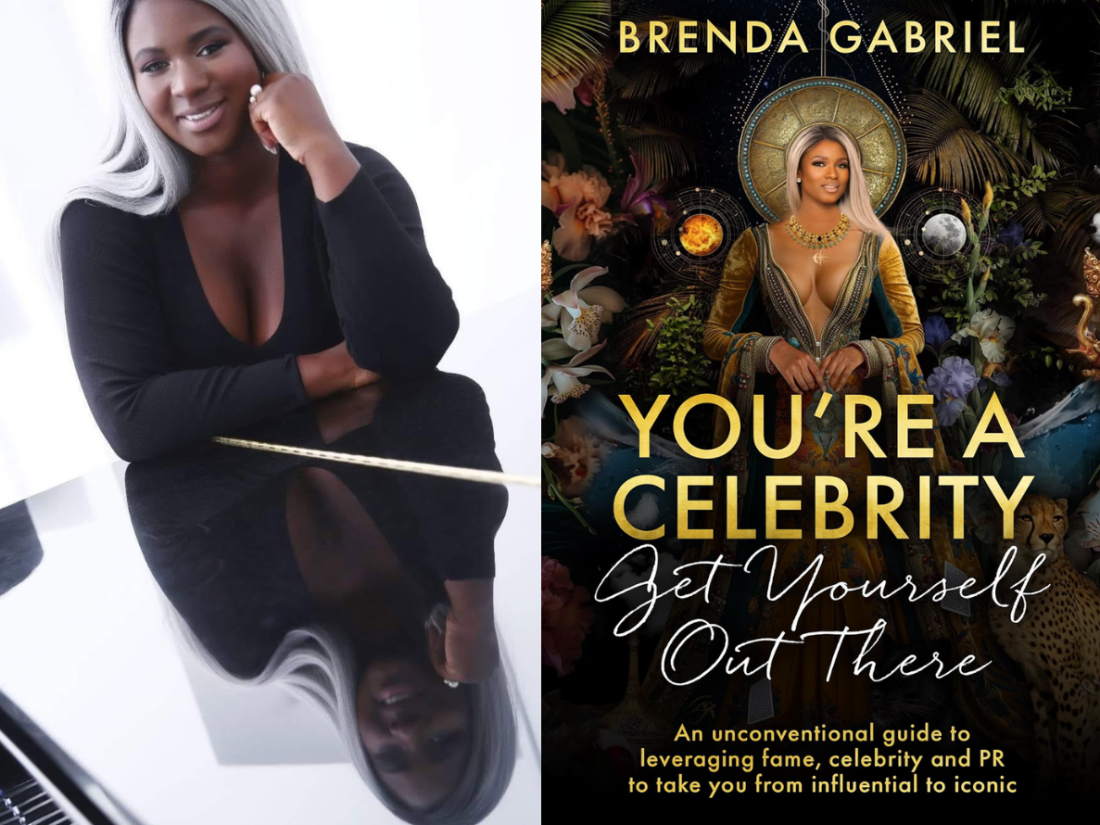
Brenda Gabriel is a PR professional with 13 years’ experience in the industry. Working with a hybrid publisher, her book You’re a Celebrity, Get Yourself Out There! was published in 2024. Explaining why she chose the hybrid publisher route, she says: “It was about having control over my message and being able to get the book out into the world without waiting to grow a huge audience to be eligible for a traditional publishing deal. I also liked having professional support around the parts of publishing that weren’t necessarily my area of expertise.”
Brenda’s inspiration to become an author came from her desire to share her experience as a Black woman in PR. “I didn’t want to write another conventional PR book that simply tells you how to write a press release or get yourself into a newspaper,” she says. “I wanted to explore the human side of publicity; what it actually feels like to put yourself out there, to be seen and to claim space.”
Brenda adds: “I became a mother very young, grew up in social housing, became a civil servant and later built a career in PR. I’ve experienced being underestimated and created opportunities for myself rather than waiting for somebody to give them to me.”
“don’t make yourself smaller to make your story easier for other people to consume. Your perspective is part of the value.”
Detailing why it’s important to share stories, Brenda says: “Books by Black women matter because they document experiences, perspectives and histories that have not always been given the same space or legitimacy. In my career, I’ve experienced the pressure to make myself more palatable or easier to categorise. That’s one reason I believe visibility matters.”
On the advice she would give to anyone considering writing a book, Brenda says: “Don’t wait until you feel completely qualified, completely ready or for someone else to give you permission. Be clear about what your book is saying, who it’s for and why your voice is different. Think about your positioning before you publish. Most importantly, don’t make yourself smaller to make your story easier for other people to consume. Your perspective is part of the value.”
Written by Maxine Harrison